A comprehensive question bank for indian medical PG preparations- AIIMS, ALL INDIA, JIPMER, PGI, state exams etc. Visual and audio content prepared in view of upcoming pattern of NEET (National Eligibility & Entrance Test). Best wishes for your preparation!
AIPGE content updated with emphasis on recent questions.
How to use this site?
Please click on the comments to see the right option from the choices given
Dear Medicos,
This site contains a comprehensive list of medical PG entrance questions asked in various PG entrance examination throughout India like AIIMS, AIPGEE, PGI CHANDIGARH, JIPMER, CMC VELLORE .... and various state entrance exams like KERALA, TAMIL NADU, KARNATAKA, DELHI .... and also private entrances like COMEDK, MANIPAL etc...
a. Sphingomyelinase
b. Hexosaminidase - A
c. Aryl sulphatase
d. Galactosidase - A
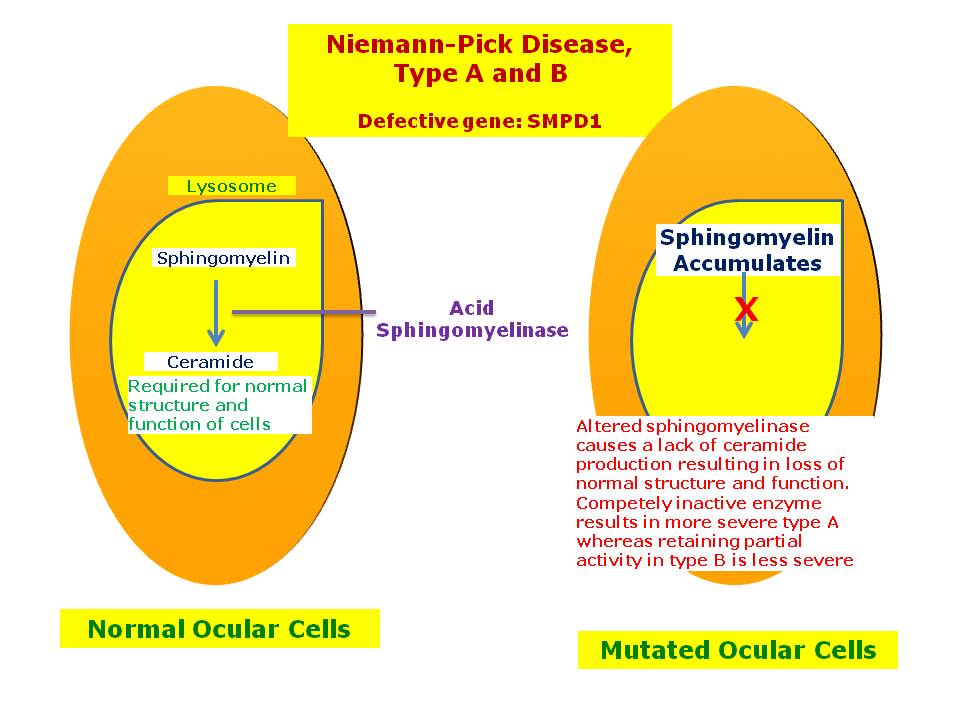
Niemann–Pick disease (/niːmənˈpɪk/nee-mən-pik)[1] is a group of inherited severe metabolic disorders that allows a certain kind of fat to accumulate in cells. The fat, sphingomyelin, accumulates in lysosomes (membrane-bound organelles in cells). The lysosomes normally transport material through and out of the cell.
Symptoms are related to the organs in which sphingomyelin accumulates. Enlargement of the liver and spleen (hepatosplenomegaly) may cause reduced appetite, abdominal distension, and pain. Enlargement of the spleen (splenomegaly) may also cause low levels of platelets in the blood (thrombocytopenia)
Accumulation of sphingomyelin in the central nervous system (including the cerebellum) results in unsteady gait (ataxia), slurring of speech (dysarthria), and difficulty in swallowing (dysphagia).Basal ganglia dysfunction causes abnormal posturing of the limbs, trunk, and face (dystonia). Upper brainstem disease results in impaired voluntary rapid eye movements (supranuclear gaze palsy). More widespread disease involving the cerebral cortex and subcortical structures causes gradual loss of intellectual abilities, causing dementia and seizures.
Bones can also be affected: symptoms can include enlarged bone marrow cavities, thinned cortical bone, or a distortion of the hip bone called coxa vara. Sleep-related disorders, such as sleep inversion, sleepiness during the day and wakefulness at night, can occur. Gelasticcataplexy, the sudden loss of muscle tone when the patient laughs, is also seen.
Mutations in the SMPD1gene cause Niemann–Pick disease types A and B. They stop the body from making an enzyme, acid sphingomyelinase, that breaks down lipids.[3]
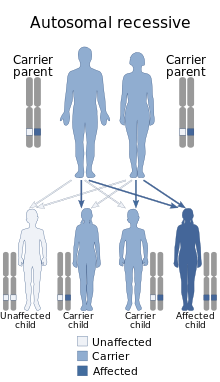
Niemann–Pick disease is inherited in an autosomal recessive pattern, which means both copies, or alleles, of the gene must be defective to cause the disease.
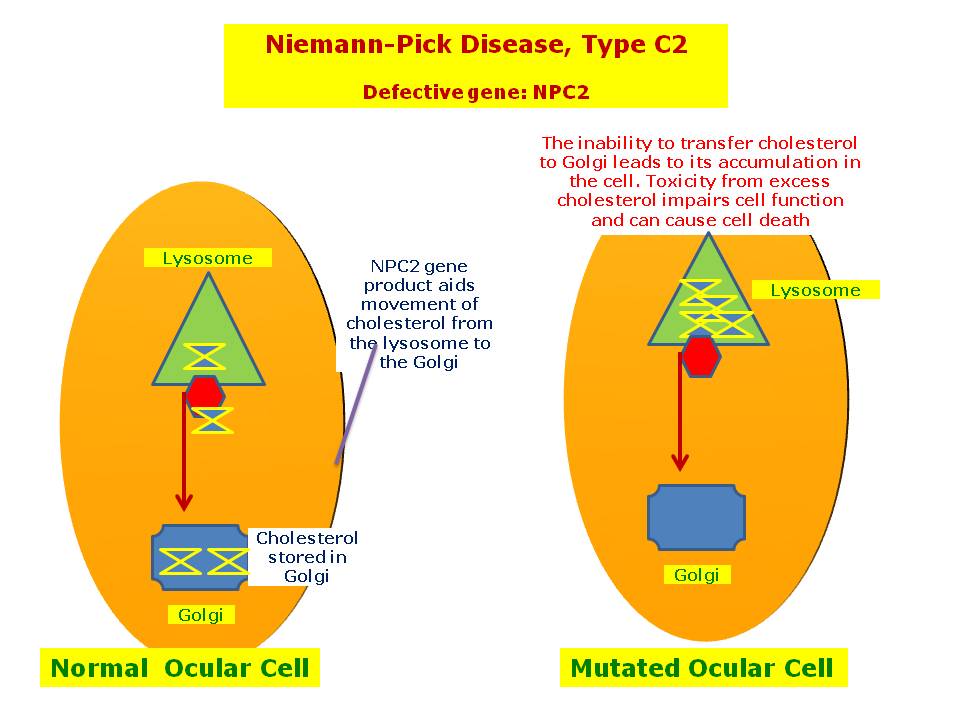
Niemann–Pick disease, type C: subacute/juvenile, includes types C1 (95% of type C) and C2. Type C is the most common form of the disease[3] Type C2 is a rare form of the disease
In the classic infantile type-A variant, a missense mutation causes complete deficiency of sphingomyelinase. Sphingomyelin is a component of cell membrane including the organellar membrane, so the enzyme deficiency blocks degradation of lipid, resulting in the accumulation of sphingomyelin within lysosomes in the macrophage-monocyte phagocyte lineage. Affected cells become enlarged, sometimes up to 90 μm in diameter, secondary to the distention of lysosomes with sphingomyelin and cholesterol. Histology shows lipid-laden macrophages in the marrow and "sea-blue histiocytes" on pathology. Numerous small vacuoles of relatively uniform size are created, giving the cytoplasm a foamy appearance
Ans. a. Sphingomyelinase
Pick's disease, a type of Fronto-temporal Dementia, is a rare neurodegenerative disease that causes progressive destruction of nerve cells in thebrain. Symptoms include dementia and loss of language (aphasia). While some of the symptoms can initially be alleviated, the disease progresses and patients often die within two to ten years.[1] A defining characteristic of the disease is build-up of tau proteins in neurons, accumulating into silver-staining, spherical aggregations known as "Pick bodies"
15. True regarding animals that are chronically exposed to cold:
a. Increased sympathetic stimulation b. Increased vagal action c. Increased insulin levels in blood. d. Decreased blood supply to adipose tissue.
16. True about shunt vessels:
a. Evenly distributed throughout the skin b. Role in nutrition c. Play a role in thermoregulation d. No autonomic nervous regulation
17. Vasomotor centre of medulla is associated with:
a. Acts with cardiovagal centre to maintain BP. B. Independent of corticohypothalamic inputs. c. Influenced by baroreceptors, not chemoreceptors d. Essentially silent in sleep.
18. Energy expenditure in resting state depends on:
a. Lean body mass b. Adipose tissue c. Resting heart rate d. Exercise.
19. The primary direct stimulus for excitation of central chemoreceptors regulating ventilation is:
a. Increased H+ B. Increased CO2 C. increased O2 d. Decreased CO2
20. True regarding myocardial O2 demand:
a. Inversely related to heart rate b. Has constant relation to external cardiac work c. Directly proportional to duration of systole. d. Is negligible at rest.
21. Angiotensin II causes all of the following except:
a. Stimulation of thirst. b. Aldosterone secretion. c. Increased ADH secretion d. Vasodilation.
23. Maximum postprandial motility is seen in :
a. Ascending colon b. Transverse colon c. Descending colon d. Sigmoid colon
24. Which of the following statement is true?
a. Fluid coming from the descending limb of loop of Henle is hypotonic. b. Descending limb of loop of Henle is permeable to solutes. c. If clearance of a substance is greater than GFR, then tubular secretion must be present. d. Clearance of a substance is always more than GFR if there is tubular secretion
25. Nitrogen narcosis is caused is due to:
a. Nitrogen inhibits dismutase enzyme b. Increased production of nitric oxide c. Increased solubility of nitrogen in nerve cell membrane d. Decrease in oxygen free radicals.